
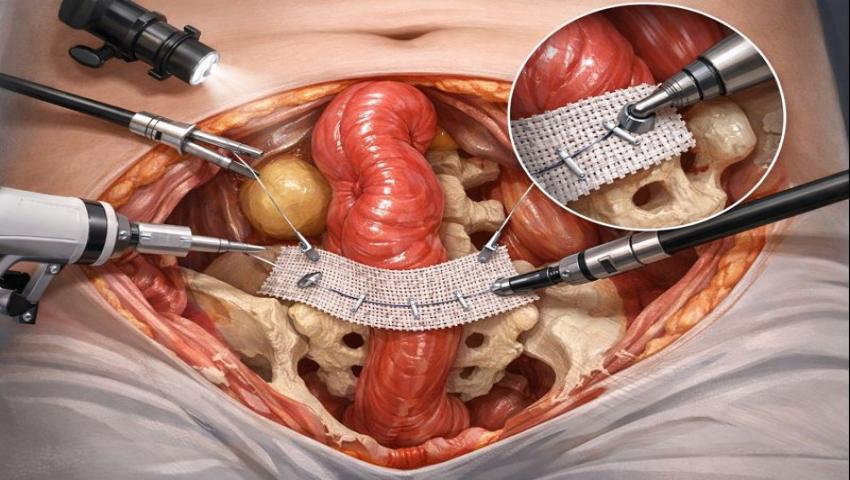
Laparoscopic Rectopexy: A Permanent Solution for Rectal Prolapse
Rectal prolapse occurs when the rectum, the last part of the large intestine, slips out of its normal position and sometimes protrudes through the anus. This condition can be distressing, causing discomfort and affecting bowel habits.
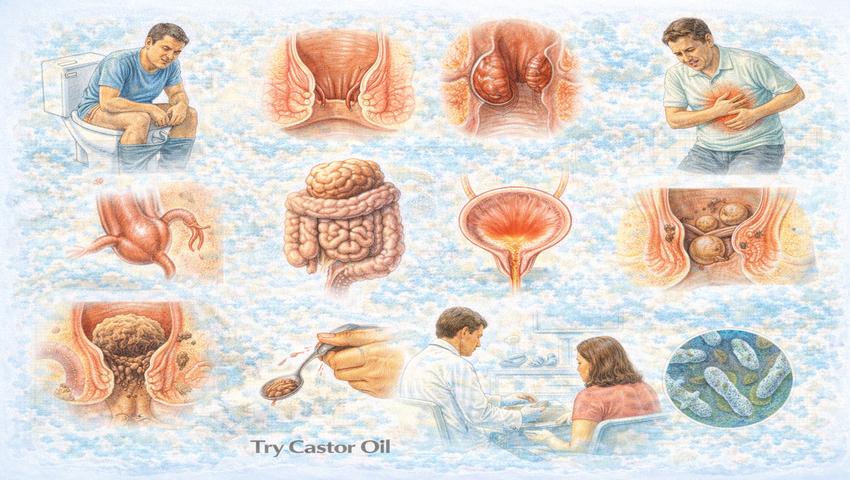
10 Complications of Untreated Chronic Constipation Fissures, Piles & More
Constipation is something many Indians experience from time to time, especially due to low fibre meals, insufficient hydration, busy work schedules, and stress.

When Is Surgery Needed for Chronic Constipation?
Chronic constipation is a common problem affecting people of all ages. Most patients improve with diet changes, medicines, hydration, and lifestyle corrections
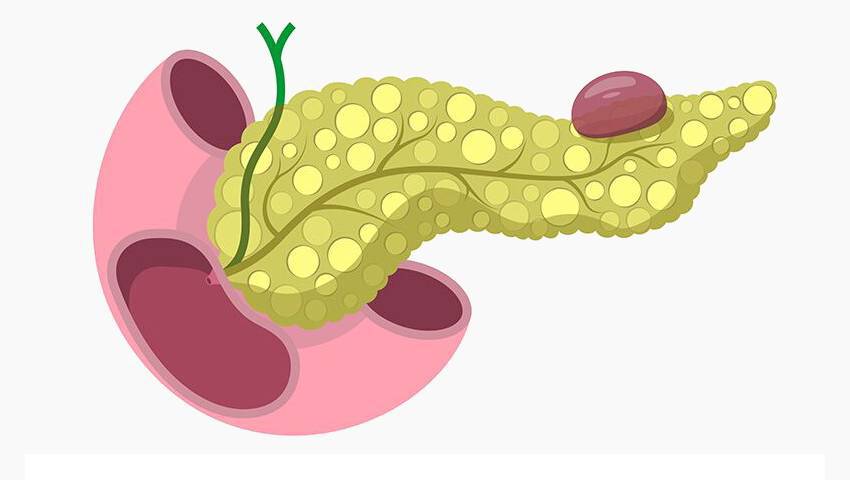
The Role of Surgery in Managing Complex Pancreatic Pseudocysts
When it comes to pancreatic diseases, one of the most challenging and delicate conditions to treat is a pancreatic pseudocyst. These are collections of pancreatic fluids that form inside or around the pancreas, usually after pancreatitis or pancreatic injury.
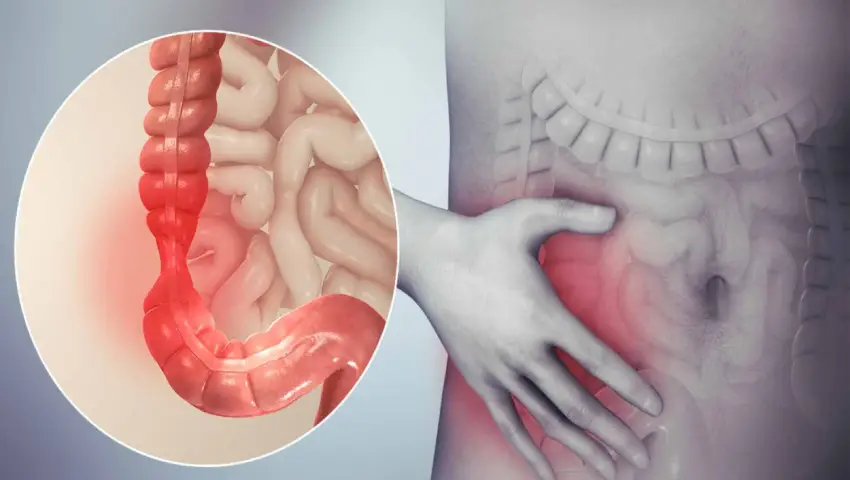
What is Functional Abdominal Pain (FAP)?
Have you or your child been experiencing frequent stomach pain without a clear medical cause?
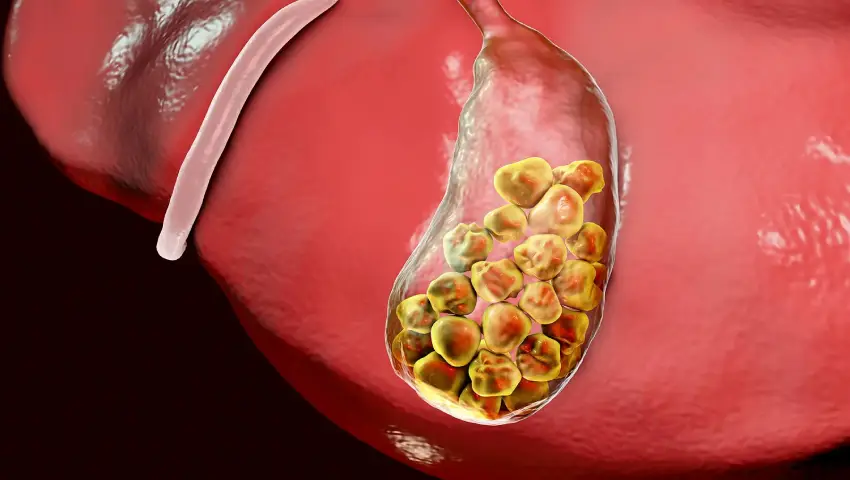
When Should You See a Doctor for Gallbladder Pain?
Picture this: You’re enjoying your favorite spicy meal, and an hour later, a stabbing pain shoots through your upper abdomen.

Robotic vs Laparoscopic GI Surgery: Which Is Better for You?
Meet Priya, a 45-year-old teacher from Pune who was recently diagnosed with gallbladder stones.
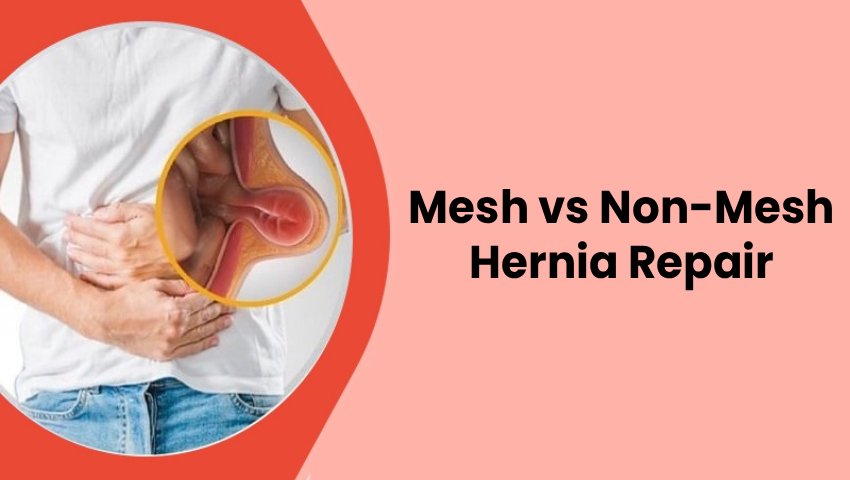
Mesh vs Non-Mesh Hernia Repair: Which Is Better?
When facing hernia surgery, one of the most common questions patients have is whether to go with mesh or non-mesh repair.
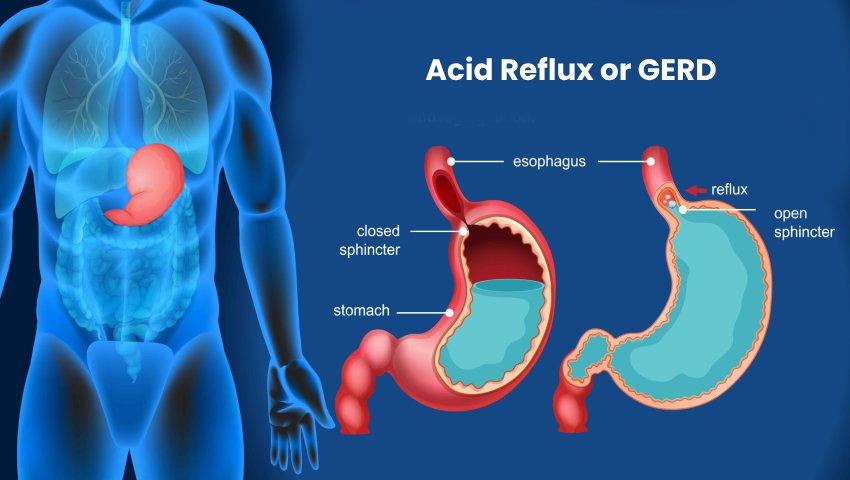
When is Surgery Needed for Acid Reflux or GERD?
Acid reflux is a common digestive problem that many people experience occasionally.

Colorectal Polyps: Should You Be Worried?
When you hear the word polyps, you might instantly think of something alarming — perhaps even cancer.