
- 22/12/2025
- Dr. Samrat Jankar
- 0 Comments
- Blog
10 Complications of Untreated Chronic Constipation Fissures, Piles & More
Many people ask, constipation what is it exactly? According to the standard constipation medical definition, to define constipation simply means having fewer than three bowel movements a week, passing a hard stool, or experiencing a tight motion. While a brief bout is normal, chronic constipation is a long-term problem that can seriously damage your body.
If you are experiencing a persistent difficulty to pass stool, it is essential to look at the sign and symptoms of constipation. Leaving this condition untreated can turn a minor discomfort into a major health issue. Renowned expert Dr. Samrat Jankar, who provides advanced Constipation Treatment in Pune, Maharashtra, explains that ignoring early signs of constipation can result in severe structural injuries to the digestive tract. As the Best Gastroenterologist in Pune with 17 years of experience, Dr. Samrat Jankar regularly treats patients facing advanced effects of constipation on the body.
What Happens Inside Your Body During Chronic Constipation?
When your body works normally, the colon absorbs water from food waste to create stool. But if waste moves too slowly, the colon absorbs too much water. This turns your waste into a very hard stool or a painful tight motion. The main reason for constipation often comes down to poor hydration, a low-fiber diet, or sluggish bowel muscles. However, the causes of extreme constipation can also involve nerve issues or pelvic floor problems. No matter what the specific cause of constipation is, the physical strain of trying to force out dry waste triggers a dangerous domino effect. A persistent incomplete bowel movement leaves you feeling heavy, causes constipation and bloating, and leads to a continuous stomach ache due to constipation.
Below, we detail the 10 most common side effects of constipation when it is left untreated.
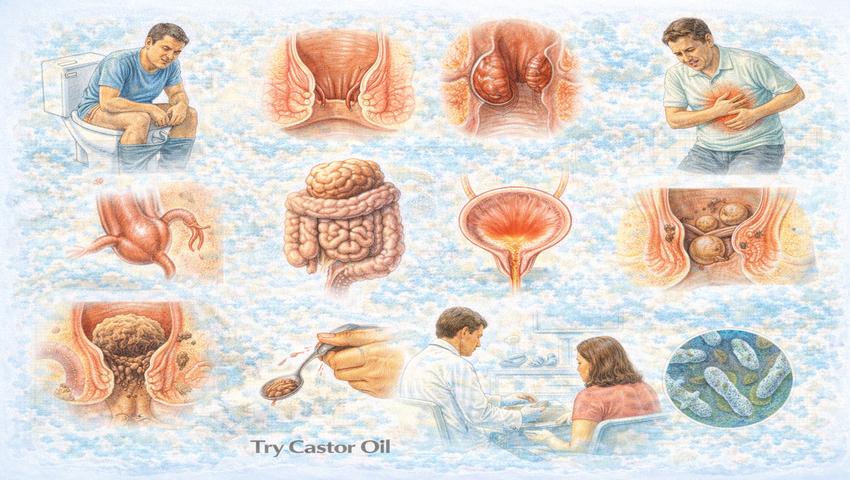
The 10 Complications of Untreated Constipation
1. Anal Fissures — Small Tears, Big Pain
When a stool hard and dry tries to force its way out, it stretches the delicate lining of your anus beyond its limit. This causes an anal fissure, which is a small but deeply painful tear in the skin.
- The Symptoms: Intense pain during pooping that can feel like passing shards of glass.
- The Aftermath: You will often notice bright red blood streaks in stool or on your toilet paper. This severe discomfort makes people avoid the bathroom, which only makes the next hard stool even worse.
2. Piles (Haemorrhoids) — From Discomfort to Grade 4
One of the most frequent constipation effects on body tissues is the development of piles (haemorrhoids). Intense straining during bowel movements increases pressure on the blood vessels around your rectum and anus, causing them to swell, stretch, and eventually bulge outward.
- The Progression: Piles start as minor internal swellings but can worsen silently into permanent external lumps.
- Grade 4 Piles: At this stage, the swollen tissue remains completely outside the anus and cannot be pushed back inside. This causes ongoing pain, major discomfort when sitting, and recurrent blood with stool constipation.
3. Anal Fistula (Fistula-in-Ano) — The Hidden Tunnel
When a person experiences chronic difficulty to pass stool, the constant friction can cause deep infections in the tiny glands lining the anal canal. This infection forms a painful collection of pus called an abscess. If the abscess does not heal properly, it can form a small tunnel under the skin that connects the infected gland directly to the outer skin of your buttocks. This is an anal fistula. It causes continuous pain, swelling, foul-smelling drainage, and can even cause a fever if the infection enters your bloodstream.
4. Rectal Prolapse — When the Rectum Falls Out of Place
Years of intense straining during bowel movements can weaken the muscles and ligaments holding your lower intestine in place. Over time, the rectum can stretch and slip out of the body through the anal opening. This is called a rectal prolapse. It creates a terrifying feeling that something is physically slipping out of your anus, making it incredibly difficult to achieve a complete bowel movement.
5. Fecal Impaction — When Stool Gets Completely Stuck
When a person has no bowel movement in 7 days but passing gas, they may be developing a condition called fecal impaction. This occurs when an extremely large, dry stool stuck in anus or the lower colon becomes too massive to pass naturally.
- The Risk: The stuck waste blocks the pathway completely.
- The Confusing Symptom: Sometimes, liquid stool from higher up leaks around the blockage, which looks like watery diarrhea but is actually an impaction symptoms indicator. If you find yourself crying out “my poop won’t come out and it hurts,” you need to seek prompt medical help.
6. Pelvic Floor Damage — The Silent Injury
Your pelvic floor is a hammock of muscles supporting your bladder, uterus, and bowels. Constantly pushing against a tight motion overstretches these muscles. Over time, this chronic strain dulls the nerves that tell your brain when it is time to use the bathroom. This leads to a permanent feeling of an incomplete bowel movement and creates a cycle where the muscles grow weaker every day.
7. Urinary Problems — How Constipation Affects the Bladder
The rectum sits directly behind the bladder. When your colon is packed with a massive hard stool, it physically presses against the bladder. This extra pressure leaves less room for urine to collect, causing frequent trips to the bathroom, an inability to empty your bladder completely, or accidental leaks.
8. Stercoral Perforation — A Life-Threatening Crisis
So, is constipation dangerous? Yes, in its most extreme forms, it can be deadly. When an unrecognized fecal impaction presses against the thin walls of the colon for weeks, it cuts off local blood flow. The tissue eventually dies and ruptures. This is called a stercoral perforation. It spills toxic waste directly into your abdominal cavity, causing a massive infection, severe pain, and a high fever. This is a medical emergency that requires immediate surgery.
9. Increased Colorectal Cancer Screening Need
A sudden, unexplained change in bowel movements or finding constant blood with stool constipation should never be ignored. While these are common side effects of constipation, they also double as warning signs for colorectal tumors. Doctors like Dr. Samrat Jankar recommend diagnostic testing to rule out serious underlying diseases when chronic symptoms refuse to clear up.
10. Mental Health Impact & Reduced Quality of Life
Living with constant stomach ache due to constipation and unpredictable gas takes a heavy emotional toll. Many patients suffer from intense anxiety about using public restrooms or eating out with friends.
Warning Signs: When to See a Doctor Immediately
You should contact a constipation doctor immediately if you experience any of these symptoms of serious constipation or symptoms of extreme constipation:
- High fever or chills (does constipation cause fever? Yes, if an infection or blockage has developed)
- Vomiting or an inability to pass gas
- Severe, localized abdominal pain that makes it hard to stand straight
- Passing large amounts of bright red blood or black, tarry stools
- Unexplained, rapid weight loss alongside your bowel changes
Prevention & Treatment Overview: Breaking the Cycle
If you are wondering how to treat constipation or searching for an effective kabj ka ilaj (constipation remedy), you must focus on consistent habits rather than temporary fixes.
Simple Home Remedies & Diet Changes
- Eat High-Fiber Foods: Incorporate plenty of high fiber fruits for constipation like prunes, apples, and pears into your daily meals.
- Know What to Eat & Avoid: Choose the best foods for constipation like whole grains, beans, and vegetables. Ensure you know what foods to avoid when constipated, such as white bread, fast food, and heavy meats.
- Is Yogurt Good for Constipation? Yes! Yogurt contains live probiotics that help balance your gut bacteria and improve regular digestion.
- Hydrate Constantly: Drink at least 8 to 10 glasses of water daily to soften dry waste.
Take Charge of Your Gut Health Today
Do not wait for a simple incomplete bowel movement to turn into a painful emergency like piles, fissures, or a fecal impaction. Your digestive health impacts your entire life.
If home remedies have failed and you are tired of dealing with painful bowel movements, it is time to seek professional care from a trusted expert. Schedule an expert evaluation with Dr. Samrat Jankar, the best constipation specialist in PCMC, Pune, to find a safe, effective, and lasting solution to your digestive issues.