
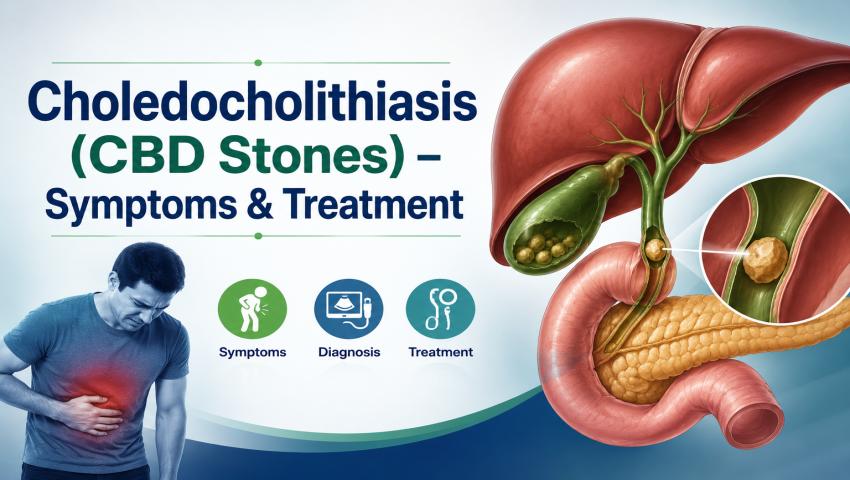
Choledocholithiasis (CBD Stones) – Symptoms & Treatment
Choledocholithiasis is a medical word. In simple words, it means stones in the common bile duct. People often call them CBD stones for short. CBD stones are different from normal gallstones. Gallstones stay inside the gallbladder and may not always cause trouble. But once a stone moves into the common bile duct, it becomes more serious and needs quick medical attention.
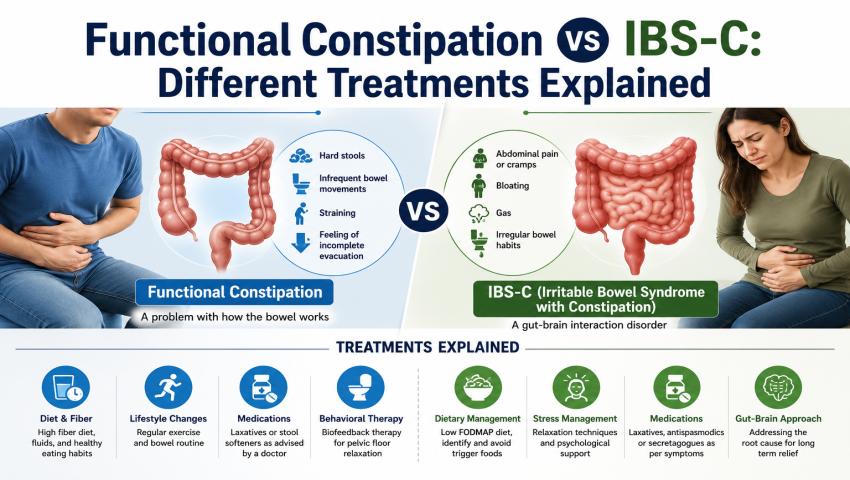
Functional Constipation vs IBS-C: Different Treatments Explained
Functional Constipation is a common digestive disorder. It means your bowel movements are slow. There is no structural disease, tumour, or blockage causing it. The colon simply moves stool slowly, or the muscles do not coordinate properly during passing stool.

Which GI Conditions Can Be Treated with Robotic Surgery?
Robotic GI surgery is a type of surgery done with small cuts. The doctor uses a robotic machine to do the surgery. But the robot does not work on its own. The surgeon controls it fully, all the time.
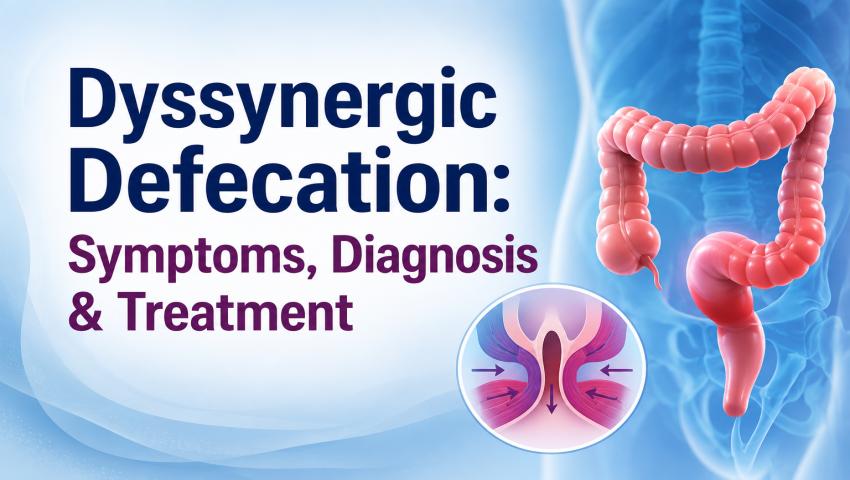
Dyssynergic Defecation: Symptoms, Diagnosis & Treatment
Dyssynergic Defecation is a condition where the muscles of your pelvic floor and anus do not work together properly during bowel movement. Normally, these muscles relax when you try to pass stool. But in this condition, the muscles contract instead of relaxing. This makes it very hard to empty your bowel completely.
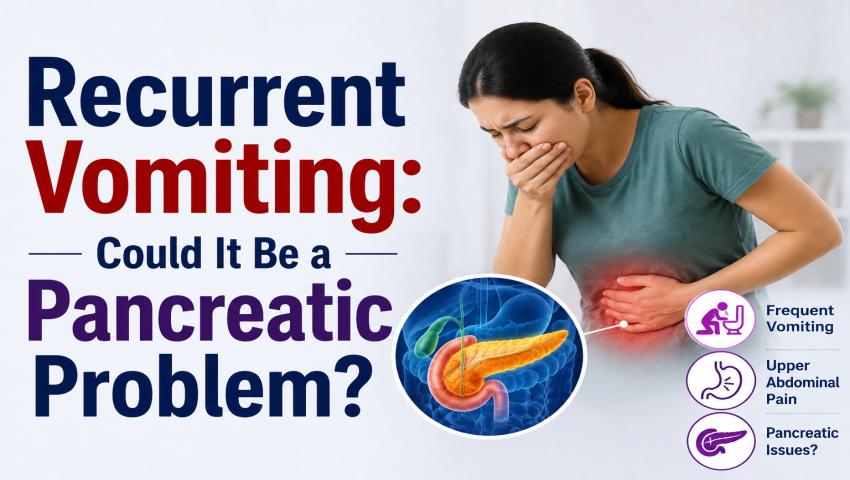
Recurrent Vomiting: Could It Be a Pancreatic Problem?
Vomiting once or twice due to bad food is common. But recurrent vomiting means you throw up repeatedly over days, weeks, or months. It is a long-term medical issue, not a one-time stomach upset.

GI Cancer Screening in Pune: Who Needs It?
GI cancer affects the gastrointestinal tract — stomach, colon, liver, oesophagus, pancreas, and gallbladder. India is seeing a steady rise in these cancers, especially in urban cities like Pune.
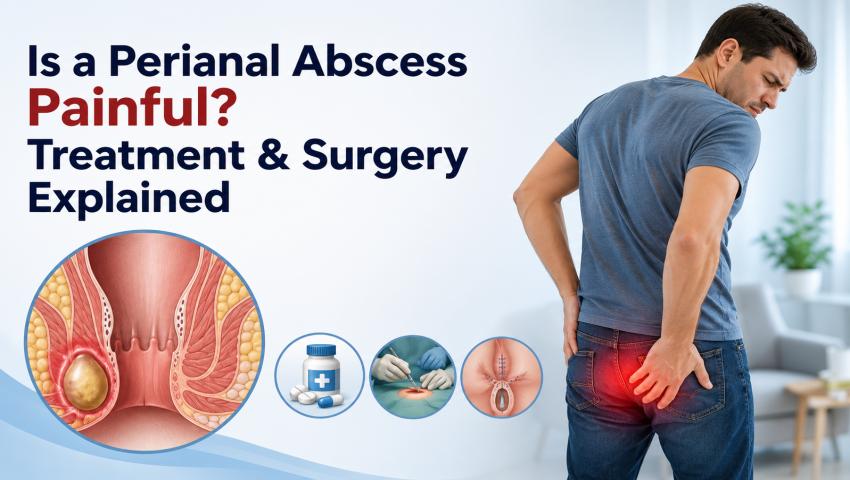
Is a Perianal Abscess Painful? Treatment & Surgery Explained
A perianal abscess is a shallow cavity filled with pus located near the anus or rectum. It usually begins when a small anal gland becomes clogged and infected.
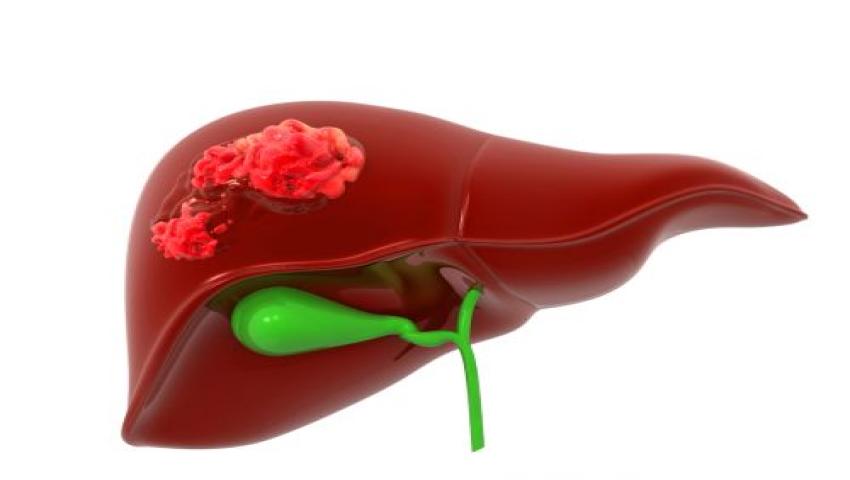
Which size of gallbladder stone is dangerous?
Before understanding stone sizes, it helps to know the size of the gallbladder itself. A healthy adult gallbladder is approximately 7–10 cm in length and 2.5–3.5 cm in width.
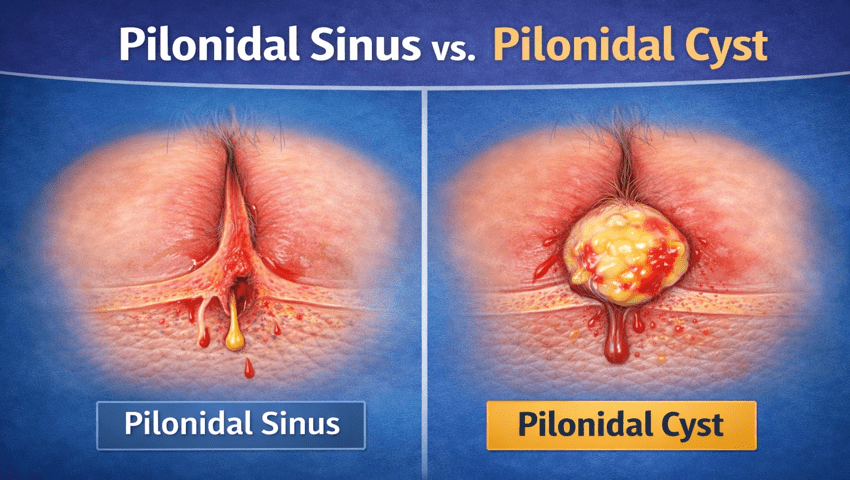
Pilonidal Sinus vs. Pilonidal Cyst: Understanding the Key Differences
Are you experiencing pain, swelling, or a small lump near your tailbone? If yes, you might be confused between two common medical terms: Pilonidal Sinus and Pilonidal Cyst.
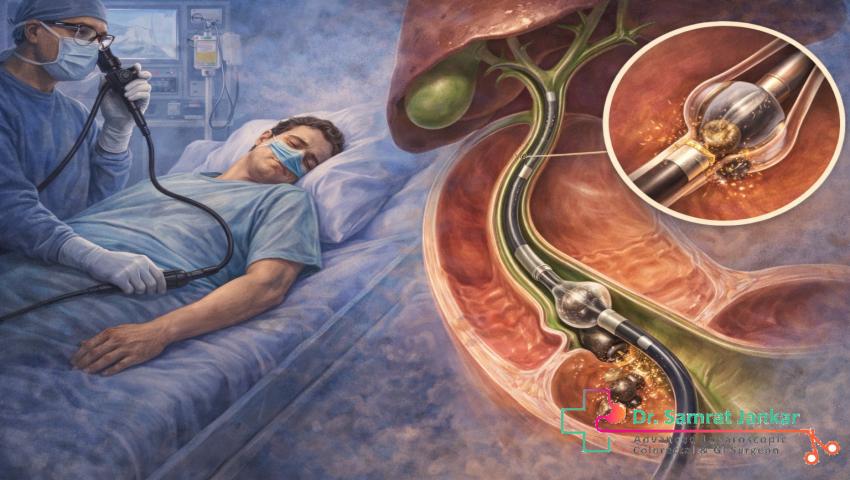
ERCP for Bile Duct Stones: How We Remove Stones Without a Single Cut on the Skin?
Bile duct stones can cause severe pain, infection, and jaundice. Many patients fear surgery when they hear this diagnosis. The good news is that ERCP allows doctors to remove bile duct stones without making a single cut on the skin.