
- 13/01/2025
- Dr. Samrat Jankar
- 0 Comments
- Blog
Should I ignore rectal bleeding?
Finding blood in stool or noticing blood when you wipe can be a startling experience. Whether it is a small amount of blood in stool or bright red blood in the toilet bowl, the immediate reaction is often a mix of anxiety and a tendency to wait and see if it goes away.
However, when it comes to your digestive health, “ignoring it” is rarely the right strategy. To provide expert clarity on this sensitive topic, we consulted Dr. Samrat Jankar, a renowned the best gastroenterologist and colorectal surgeon in Pune, India. With over 17 years of experience and specialized training (MBBS, MS, DNB Surgical Gastroenterology), Dr. Jankar is a leader in advanced laparoscopic and colorectal surgeries. According to him, while many causes are benign, rectal bleeding is a signal from your body that requires professional evaluation.
What Is Rectal Bleeding?
Rectal bleeding, medically referred to as hematochezia or bleeding per rectum, is the passage of blood through the anus. It can appear in several ways:
- Blood with stool: Streaks of blood on the surface of the motion.
- Stool with blood: Blood mixed within the faeces.
- Fresh blood in poo: Bright red drops seen after a bowel movement.
- Blood on tissue paper: Noticed only when wiping.
While the term implies the rectum is the source, the blood can actually originate from anywhere in the gastrointestinal (GI) tract, including the colon or the anal canal.
What Causes Rectal Bleeding? (It's Not Always Cancer)
The most common question patients ask is: “Why am I pooping blood with no pain?” or “What are the reasons for blood in stool?” It is important to remember that rectal bleeding is a symptom, not a disease.
- Hemorrhoids (Piles): This is the most common cause of painless bright red blood in stool. Swollen veins in the rectum or anus can leak blood, especially during a hard bowel movement with blood.
- Anal Fissures: A small tear in the lining of the anus, often caused by constipation and blood in stool. This usually causes sharp pain during “motion.”
- Diverticulosis: Small pouches in the colon wall that can bleed, often causing a large amount of bright red blood in toilet no pain.
- Inflammatory Bowel Disease (IBD): Conditions like Ulcerative Colitis or Crohn’s disease cause chronic inflammation, leading to bloody diarrhea and mucus with blood in stool.
- Polyps: Non-cancerous growths that can bleed. If left untreated, some polyps can eventually turn into cancer.
- Infections: Bacterial or viral infections can lead to loose motions with blood.
What Does the Color of Blood in Your Stool Tell You?
The colour of blood in stool is a critical diagnostic clue for a gastroenterologist.
- Bright Red Blood (Frank Blood): Usually indicates the bleeding is coming from the lower GI tract (rectum or anus). Common in piles, fissures, or bleeding from anus.
- Dark Red or Maroon Stool: This suggests the bleeding is higher up in the colon or the small intestine.
- Black, Tarry Stools (Melena): This often indicates an upper gastrointestinal source, such as a stomach ulcer. The blood becomes dark because it has been digested.
- Reddish Stool / Red Poop: Sometimes, certain foods (like beetroot) or food dyes can make poop look red, but if it is actual blood, it requires a check-up.
Can Rectal Bleeding Be Intermittent — And Still Serious?
Many people choose to ignore rectal bleeding because it stops for a few weeks before reappearing. They assume that if it “heals on its own,” it wasn’t serious. Dr. Samrat Jankar warns that intermittent bleeding can be just as significant as constant bleeding. For instance, colon cancer or large polyps may bleed sporadically. Even if you see spots of blood in stool once a month, it is enough reason to seek a consultation. Never assume blood in stool is normal just because it isn’t happening every day.
Other Symptoms to Watch For Alongside Rectal Bleeding
When evaluating when to worry about blood in stool, look for these “red flag” symptoms:
- Abdominal Pain: Persistent stomach ache and blood in stool.
- Change in Bowel Habits: Sudden constipation with blood or persistent loose stools and blood.
- Weight Loss: Losing weight without trying.
- Anemia: Feeling unusually weak, tired, or dizzy (signs of blood loss).
- Stool Consistency: Very narrow, pencil-thin stools.
- Mucus: Finding stool and mucus along with blood.
How Is Rectal Bleeding Diagnosed?
To find the exact reason for blood in motion, a specialist like Dr. Samrat Jankar uses various diagnostic tools:
- Physical Exam: A digital rectal exam to check for obvious issues like hemorrhoids or fissures.
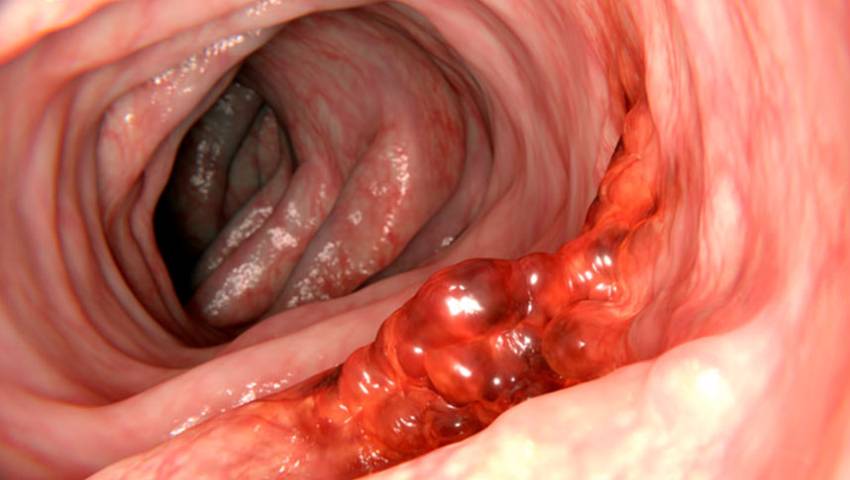
- Colonoscopy: The “gold standard” for looking at the entire colon to rule out cancer or polyps.
- Sigmoidoscopy: A look at the lower part of the colon and rectum.
- Stool Tests: To check for red blood cells in stool or hidden (occult) blood.
When Should You See a Doctor for Rectal Bleeding?
If you are wondering when to worry blood in stool, the answer is: Always. While it might just be a minor case of constipation blood, only a doctor can confirm it isn’t something more severe.
Seek immediate medical attention if:
- The bleeding is heavy or continuous.
- You see blood clots in stool.
- You experience bloody diarrhea with high fever.
- You feel faint, dizzy, or have a rapid heartbeat.
Can Rectal Bleeding Be a Sign of Cancer?
This is the fear that keeps many patients away from the clinic. Yes, rectal bleeding can be a symptom of colorectal cancer. However, early-stage cancer is highly treatable.
If you notice blood in poop male or female, especially if you are over the age of 45 or have a family history of cancer, a screening is mandatory. Dr. Samrat Jankar specializes in Colorectal Cancer Surgery and emphasizes that catching a polyp during a colonoscopy can actually prevent cancer from ever developing. Don’t let fear prevent you from getting a life-saving check-up.
Conclusion: Take Action for Your Digestive Health
In summary, you should never ignore rectal bleeding. Whether it is bright red rectal bleeding caused by piles or a darker stool blood color indicating an internal issue, getting an accurate diagnosis is the only way to find peace of mind and effective treatment.
If you are in Pune or surrounding areas and experiencing any form of bleeding while pooping, blood in toilet bowl, or hard stool with blood, consult with an expert immediately. Early intervention is the key to avoiding complications and ensuring a healthy digestive system.
Don’t let embarrassment or fear delay your health. Consult with the best gastroenterologist in Pune for expert care and advanced treatment options. Take the first step toward recovery. Schedule your appointment today and stop worrying about blood in your stool!