
- 22/02/2021
- Dr. Samrat Jankar
- 0 Comments
- Blog
What is Colorectal Cancer?
Cancer is a word that scares everyone. But learning the facts early can save lives. When we talk about what is colorectal cancer, we are looking at a disease that affects the lower part of our digestive tract. Many people mistakenly think it only happens in the West. However, changing lifestyles and food habits are making intestinal cancer increasingly common in India.
Knowing what is colon cancer and identifying its early warnings can make a massive difference in recovery. When dealing with complex digestive issues or a potential malignancy, consulting a highly experienced expert is vital. For advanced Colorectal Cancer Treatment in Pune, patients trust Dr. Samrat Jankar. With 17 years of experience, he is a renowned surgical gastroenterologist specializing in minimally invasive and laparoscopic GI cancer surgeries, ensuring precision care.
Let us explore a clear colon cancer explanation, its symptoms, stages, and prevention tips in simple language.
How Does Colorectal Cancer Develop?
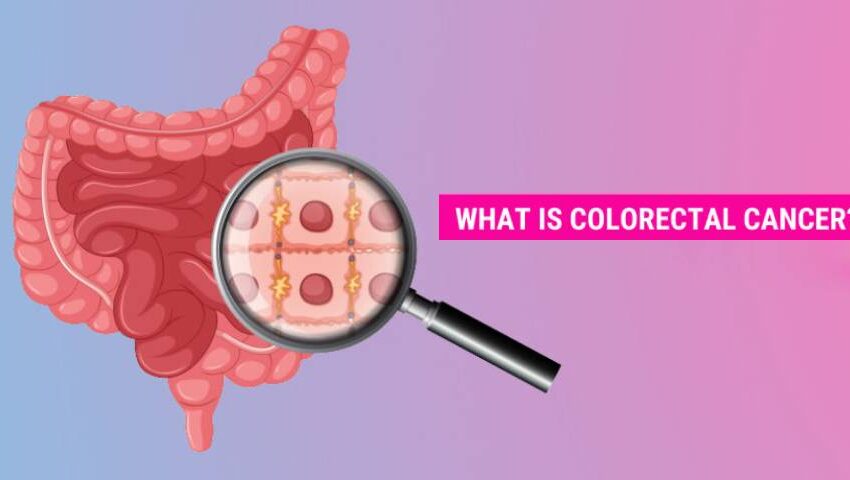
To understand how colorectal cancer starts, we must look at how our large intestine works. The large intestine consists of the colon (the long main part) and the rectum (the final few inches before the anus).
This cancer does not grow overnight. It almost always begins as a small, non-cancerous clump of cells called a polyp. Over a period of 10 to 15 years, some of these harmless polyps can change into a malignant bowel cancer.
The most common type of cancer formed in this area is a colon adenocarcinoma. This specific adenocarcinoma of colon starts directly in the gland cells that produce mucus to lubricate the inside of your intestine. When these abnormal cells grow uncontrollably, they form a tumor mass inside the colon wall.
Common Signs and Symptoms of Colorectal Cancer
Catching cancer colon early symptoms gives the highest chance of a permanent cure. Unfortunately, a colon polyps symptoms profile is usually quiet, meaning polyps rarely cause visible issues early on. However, as a tumor grows, clear signs and symptoms for colorectal cancer begin to show up.
Early Warning Signs
- Changes in Bowel Habits: This is one of the most common symptoms of colorectal cancer. You might face persistent diarrhea, new constipation, or a feeling that your bowel never empties completely.
- Blood in Your Stool: Spotting dark or bright red blood mixed with your stool is an alarming signs of colon cancer.
- Unexplained Weight Loss: Dropping weight quickly without dieting or heavy exercise is a classic systemic sign.
- Constant Fatigue: Feeling weak and exhausted all the time happens because the hidden tumor causes slow internal blood loss, leading to anemia.
Gender-Specific and Location-Specific Symptoms
- Symptoms of colon cancer in women: Women often confuse bloating or abdominal cramps with menstrual cycles or menopause. It is crucial to monitor how long these cramps last.
- Rectal cancer symptoms: If the tumor grows lower down near the anus, symptoms of rectal cancer include very narrow, pencil-thin stools.
- Rectal cancer symptoms female: Women may also experience pelvic pressure or deep discomfort that feels different from regular digestive gas.
What Causes Colorectal Cancer? Risk Factors You Should Know
Doctors cannot pinpoint a single reason for every case, but we understand the major colon cancer causes. A mix of genetic mutations, age, and modern daily habits can cause standard cells to transform into a malignant adenocarcinoma colon.
Here are the primary triggers:
- Poor Diet: Eating too much processed meat (like sausages, salami) and red meat, combined with very low fiber intake, irritates the intestinal lining.
- Sedentary Lifestyle: Sitting for long hours and lacking physical exercise slows down bowel motility, keeping waste toxins in contact with your colon walls longer.
- Smoking and Alcohol consumption: Regular use of alcohol and tobacco produces harmful chemicals that accelerate cell damage.
- Obesity: Carrying excess weight triggers chronic low-grade inflammation across the body, raising metabolic cancer risks.
Who Is at Higher Risk of Developing Colorectal Cancer?
While anyone can develop intestinal cancer, certain factors place some individuals in a high-risk category.
- Age: The risk rises sharply after the age of 45 to 50, though younger adults are increasingly being diagnosed today.
- Personal or Family History: If your close relatives had bowel cancer, your risk increases due to shared genetic traits.
- Inflammatory Bowel Disease (IBD): Conditions like chronic Ulcerative Colitis or Crohn’s disease cause long-term inflammation, which damages cell DNA over time.
What causes colon cancer in females specifically? Beyond general risks, long-term hormonal shifts or an underlying history of polycystic ovary syndrome (PCOS) can subtly alter risk factors in women.
Stages of Colorectal Cancer Explained
Once a specialist like Dr. Samrat Jankar confirms a tumor, staging helps determine the right course of action. Staging describes how deeply the cancer cells have grown into the tissues.
- Stage 0: The cancer is only on the innermost layer of the colon lining.
- Stage 1: The tumor has grown into the deeper wall layers of the colon but has not spread outside. Stage 1 colon cancer symptoms are minimal or completely absent, which is why screening tests are so vital.
- Stage 2: The cancer has grown right through the thick muscular wall of the colon.
- Stage 3: The cells have spread to nearby lymph nodes, which act as the body’s filtering system.
- Stage 4: The cancer has traveled through the bloodstream to distant organs, most commonly spreading to the liver or lungs.
How Is Colorectal Cancer Diagnosed?
If you exhibit symptoms of bowel cancer early, a gastroenterologist will run specialized diagnostic tests to evaluate your digestive tract.
- Colonoscopy: This is the gold standard test. A doctor inserts a thin, flexible tube with a camera into your large intestine to inspect the entire lining. It allows them to view any tiny rectal growth or polyp clearly.
- Biopsy: If the doctor spots a suspicious growth in rectum or colon during a colonoscopy, they will snip a tiny tissue sample to test it in a lab for cancer cells.
- Imaging Scans: CT scans, MRI, or PET scans help map the exact size of the tumor and check if it has spread to other organs.
Treatment Options for Colorectal Cancer
Modern medicine has made remarkable progress, and a fissure disease or colorectal tumor caught early can be treated highly effectively. The plan depends on the stage and location of the tumor.
- Surgery: This is the primary treatment for localized tumors. A surgical specialist removes the tumor along with a small margin of healthy tissue. Dr. Samrat Jankar utilizes advanced keyhole laparoscopic surgery techniques, which offer minimal pain, tiny scars, and a much faster recovery time for patients.
- Chemotherapy: Powerful medicines are used to kill any remaining cancer cells roaming in the body, typically recommended for stage 3 and stage 4 cases.
- Radiation Therapy: High-energy rays are used to shrink a rectal growth before surgery or destroy remaining cells afterward.
- Understanding Recovery: The survival rate of colon cancer is excellent—above 90%—if it is detected and treated at Stage 1. This highlights why you should never ignore persistent digestive warnings.
Can Colorectal Cancer Be Prevented?
Yes, this is one of the most preventable types of internal cancers. Knowing how to prevent colon cancer comes down to making conscious lifestyle shifts. Follow these primary guidelines on colon cancer how to prevent:
- Get Screened Regularly: If you are over 45, get a routine colonoscopy. Removing benign polyps early prevents them from ever turning into a types of colorectal carcinoma.
- Eat a High-Fiber Diet: Load your plate with traditional Indian grains, green vegetables, fruits, and pulses to keep your colon clean.
- Stay Active: Dedicate 30 minutes daily to brisk walking, yoga, or exercise.
- Limit Processed Foods: Reduce your intake of deep-fried fast foods, processed meats, and excessive red meat.
When Should You See a Colorectal Cancer Specialist in Pune Doctor?
You must see a doctor immediately if you experience dark blood in your stool, a sudden change in bowel movements lasting more than two weeks, or persistent unexplained stomach aches.
Do not let fear or embarrassment delay your health checkup. For comprehensive guidance and world-class care, consulting Dr. Samrat Jankar in Pune provides you access to advanced diagnostic and surgical options. His 17 years of experience help patients navigate complex gastrointestinal conditions safely and effectively.
Key Takeaways: Understanding Colorectal Cancer
- Colorectal cancer starts in the colon or rectum, usually developing from harmless polyps over several years.
- Common bowel cancer symptoms include persistent changes in bowel habits, unexplained weight loss, and blood in the stool.
- Early detection via colonoscopy dramatically improves the survival rate of colon cancer.
- Adopting a high-fiber diet, staying active, and undergoing regular screening are the best ways to protect your digestive health.