
- 18/03/2022
- Dr. Samrat Jankar
- 0 Comments
- Blog
What are Anal Fissures?
Do you feel a sharp, cutting pain while pooping? Do you see bright red blood drops on the toilet tissue or in the commode? If yes, you might be dealing with an anal fissure. This is a very common yet highly uncomfortable condition. Many people feel shy talking about it, but hiding the problem only increases the pain. If you are facing a fissure problem, you are not alone. Millions of people in India suffer from this issue due to poor lifestyle choices, low fiber intake, and chronic constipation. It is crucial to understand what is fissure so you can treat it early.
When dealing with severe discomfort, consulting an expert is always the safest step. If you live in Maharashtra, you can consult a highly trusted gastroenterologist in Pune, Dr. Samrat Jankar. With 17 years of experience, he specializes in treating complex digestive and anorectal diseases safely and permanently. Let us break down everything you need to know about this painful condition in simple language.
What Is an Anal Fissure?
To understand this condition, let us look at the formal medical meaning. The fissure definition is quite simple.
A fissure in ano is a small tear or cut in the moist, thin lining of the anus. The anus is the final opening of your digestive tract where stool leaves your body.
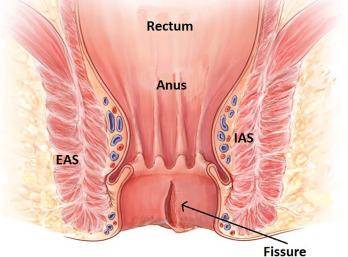
In simple terms, you can think of it as tiny, deep wounds in anus. The fissure meaning in medical terms simply points to an open cut in the anal canal. Because this area is packed with highly sensitive nerves and muscles, even a tiny cut turns into a highly painful fissure. Every time you pass a bowel movement, the wound stretches, causing intense, burning pain.
Types of Anal Fissures
Not all cuts heal at the same speed. Doctors divide fissures of anus into two basic categories based on how long you have been suffering:
- Acute Fissure: This is a fresh, new tear in the lining. It looks like a small paper cut on the skin. An acute fissure usually feels like a sharp pain but can heal quickly within 4 to 6 weeks with proper diet and home care.
- Chronic Fissure: If your cut does not heal even after 6 to 8 weeks, it becomes a chronic fissure. This type of tear goes deeper into the internal anal sphincter muscle. It often develops a small extra lump of skin near the cut, called a “sentinel pile” or skin tag. These require medical evaluation by a specialist like Dr. Samrat Jankar to prevent recurring infections.
Causes of Anal Fissures
Why do these painful cuts happen in the first place? Understanding the causes of fissure in anus is the first step to preventing them. Here are the most common fissure in ano causes:
- Passing Hard or Large Stools: This is the number one cause. When you suffer from constipation, you pass dry, hard stool. This hard mass stretches the anal opening too much and rips the skin.
- Straining During Bowel Movements: Putting too much pressure while sitting on the toilet increases the tension in the anal muscles, leading to tears.
- Chronic Diarrhea: Frequent loose motions can cause chemical irritation and raw wounds in anus.
- Tight Anal Sphincter Muscles: If your internal anal sphincter muscles are naturally too tight, they reduce blood flow to the area. Less blood flow means the cut takes much longer to heal.
- Pregnancy and Childbirth: Many Indian women experience anus fissure causes during late pregnancy or after a normal delivery due to intense straining.
Signs and Symptoms of Anal Fissures
How do you know if you have a fissure disease or piles? The fissure symptoms are distinct and easy to recognize if you pay attention. Here are the most common signs of anal fissure:
- Sharp Pain While Pooping: You will feel a severe, tearing pain when passing stool. Patients often describe it as passing broken glass.
- Burning Discomfort After Pooping: The pain does not stop immediately. A throbbing, burning sensation can last for several hours after using the restroom.
- Bleeding After Pooping: You may notice streaks of bright red blood covering the stool or on your toilet paper.
- Visible Crack or Cut: If you look closely or get examined by a doctor, you can see how fissure looks like—a clear, vertical split in the skin.
- Itching or Irritation: The constant moisture and wound irritation can cause severe itching around the anus.
Anal Fissure Treatment Options
If you are suffering, do not lose hope. A fissure disease is fully manageable. Depending on your condition, your doctor will select the safest path forward.
- Lifestyle and Dietary Modification: This is always the primary line of treatment for early-stage cuts.
- Topical Ointments: Your doctor will prescribe a specialized cream for anal fissure containing calcium channel blockers (like diltiazem) or nitroglycerin. These creams relax the tight anal muscles, lower pressure, and increase blood flow to accelerate healing.
- Oral Medications: A doctor will give you stool softeners and pain relief tablets to make your daily toilet visits comfortable.
- Surgical Treatment: For deep, stubborn chronic conditions, surgery is the ultimate option. The standard procedure is called a Lateral Internal Sphincterotomy (LIS). It is a quick, minor procedure where the surgeon relaxes a small part of the tight muscle to stop the pain loop.
Home Remedies for Anal Fissures
For initial stages, a dedicated rectal fissure treatment home plan can work wonders. You can manage pain using these simple steps:
- Take a Warm Sitz Bath: Sit in a tub filled with warm water for 15 to 20 minutes, 2 to 3 times a day. This relaxes your tight pelvic muscles and cleanses the wound gently.
- Eat a High-Fiber Diet for Anal Fissure: Fiber makes your stools bulky and soft. Eat plenty of green vegetables, fresh fruits (like papaya and apples), whole grains, oats, and lentils.
- Drink Abundant Water: Drink at least 8 to 10 glasses of water daily. Water works with fiber to keep your digestive tract smooth.
- Avoid Irritating Foods: Stay away from overly spicy food, deep-fried snacks, and excessive tea or coffee, as they trigger stomach inflammation.
Can Anal Fissures Heal Without Surgery?
Yes, absolutely! Can fissures heal on their own? The answer is yes, especially if they are acute.
More than 80% of early-stage fissures heal perfectly well without any surgical intervention.
The total fissure heal time depends heavily on your daily discipline. If you consistently follow a soft diet, use your prescribed fissure medicine, and avoid straining, an acute cut can close up in 2 to 4 weeks. However, if you keep eating spicy food and ignoring constipation, the wound will open up repeatedly, forcing it to become a chronic issue that requires clinical help.
When Should You See a Fissure Specialist?
You should not wait indefinitely for home remedies to work. Self-treatment has limits. You must visit a professional if:
- Your pain is unbearable and lasts all day.
- You experience heavy bleeding from your rectum.
- Your symptoms do not improve after two weeks of home remedies.
For an accurate diagnosis, you should seek guidance from an expert. Consulting Dr. Samrat Jankar, a premier gastroenterologist in Pune, ensures you receive an accurate diagnosis. With 17 years of experience, he can help you find long-term relief using advanced, painless medical methods.
Frequently Asked Questions About Anal Fissures
To speed up healing at home, start taking warm sitz baths immediately after passing stool. Apply a doctor-approved soothing gel or coconut oil to the area, drink plenty of water, and take an over-the-counter stool softener syrup at night to prevent hard stool in the morning.
Is fissure curable permanently? Yes, it is completely curable. A permanent cure requires treating the root cause: chronic constipation. You must maintain a high-fiber lifestyle permanently. For chronic cases, a minor laser treatment or LIS surgery by a professional like Dr. Samrat Jankar provides a lifetime fix by permanently reducing high muscle tension.
Visually, an acute fissure looks like a small, fresh, linear tear or vertical cut on the skin of the anal opening. In chronic cases, how fissure looks like changes slightly; it appears deeper, exposing white muscle fibers underneath, and is often accompanied by a small, raised fleshy lump called a skin tag at the bottom of the cut.
There is no single magic pill. The best medicine for anal fissure is a combination approach. It includes stool softening liquids (like lactulose) to keep stool soft, along with a specialized compounded nitroglycerin or diltiazem ointment applied locally inside the anal tract to relax the spasm. Always use these under medical supervision.