
- 14/05/2026
- Dr. Samrat Jankar
- 0 Comments
- Blog
Is a Perianal Abscess Painful? Treatment & Surgery Explained
Quick Answer: How Painful Is a Perianal Abscess?
Yes, a perianal abscess is typically very painful. Most patients describe it as a constant, throbbing pain that worsens when sitting, walking, or having a bowel movement. Because it involves an infection and a buildup of pus, the pressure causes significant distress. Seeking early medical advice from an expert like Dr. Samrat Jankar can help manage this pain before the infection spreads.
Dealing with pain in sensitive areas can be distressing and confusing. If you are experiencing sharp pain, swelling, or discomfort near the anal region, you might be dealing with an abscess. Understanding the condition, its symptoms, and the available treatment options is the first step toward relief. In this guide, Dr. Samrat Jankar, the Best Surgical Gastroenterologist in Pune, explains everything you need to know. With 17 years of experience, Dr. Jankar serves as the Director and Department Head of Gastrointestinal Surgery at Kaizen Gastro Care, Pune, specializing in advanced treatments for complex colorectal issues.
What Is a Perianal Abscess?
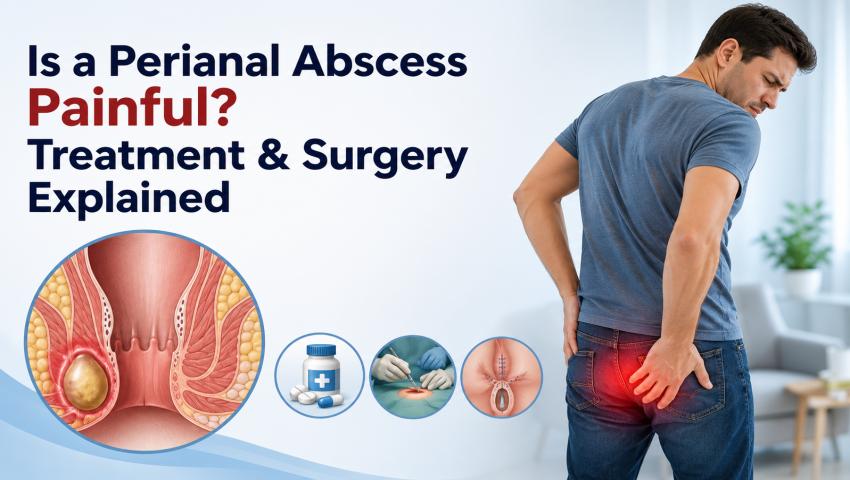
A perianal abscess is a shallow cavity filled with pus located near the anus or rectum. It usually begins when a small anal gland becomes clogged and infected.
Common Perianal Abscess Causes:
- Infection of Anal Glands: The most frequent cause.
- Anal Fissures: A tear in the anal canal that becomes infected.
- Sexually Transmitted Infections (STIs): These can sometimes cause localized infections.
- Inflammatory Bowel Disease (IBD): Conditions like Crohn’s disease or ulcerative colitis increase the risk.
Who Is at Risk?
While anyone can develop this condition, it is more common in:
- Adults aged 20 to 40.
- Men (who are more likely than women to develop it).
- People with diabetes or weakened immune systems.
Is a Perianal Abscess Painful? What Does It Feel Like?
The pain associated with this condition is unique. Unlike a muscle pull, this pain is “internal” and “pressurized.”
- Throbbing Sensation: The pain feels like a heartbeat in the affected area.
- Intensity: It usually does not go away with rest or over-the-counter painkillers.
- External Tenderness: The skin around the anus may feel warm, hard, and very sensitive to touch.
Perianal Abscess Symptoms — When Should You See a Doctor?
Recognizing perianal abscess symptoms early can prevent the infection from turning into a more serious condition called a fistula.
Common symptoms include:
- Swelling: A visible lump or redness near the anal opening.
- Constant Pain: Pain that persists throughout the day.
- Discharge: Pus or blood leaking from the area.
- Fever and Chills: Signs that the infection is affecting your whole body.
- Constipation: Pain makes it difficult or scary to pass stools.
Note: If you have a high fever or extreme swelling, you should immediately consult the best doctor for a perianal abscess to avoid sepsis.
How Is a Perianal Abscess Diagnosed?
Diagnosis is usually straightforward. During a consultation at Kaizen Gastro Care, Dr. Samrat Jankar will perform a physical examination.
- Clinical Exam: The doctor looks for redness, swelling, and tenderness.
- Digital Rectal Exam: A gentle internal check to see the extent of the abscess.
- Imaging Tests: In complex cases, an Ultrasound or MRI may be recommended to check if the infection has spread deeper into the tissue.
Perianal Abscess Treatment Options — What Works Best?
It is important to understand that a perianal abscess rarely heals on its own with just antibiotics. The pus must be drained.
- Incision and Drainage (I&D): This is the most common perianal abscess treatment. The doctor makes a small cut in the skin over the abscess to allow the pus to drain out. This immediately reduces pressure and pain.
- Perianal abscess antibiotics: Antibiotics are usually secondary. They are prescribed if the patient has a weak immune system, diabetes, or if the infection is spreading to the skin (cellulitis).
- Pain Management: Warm sitz baths (sitting in warm water) can help soothe the area and promote healing after the procedure.
Perianal Abscess Surgery — What to Expect?
For many patients, a formal perianal abscess surgery is necessary to ensure the infection is completely cleared and to check for an underlying fistula.
- Anesthesia: The surgery is usually performed under local or general anesthesia, so you won’t feel pain.
- The Procedure: The surgeon opens the abscess cavity, drains it, and cleans the area. In some cases, a small piece of gauze (packing) is left inside to keep the wound open so it heals from the inside out.
- Duration: The procedure is typically quick, often taking less than 30 to 45 minutes.
If you are looking for specialized perianal abscess surgery in Pune, visiting a dedicated gastrointestinal facility ensures higher safety and better outcomes.
Recovery After Perianal Abscess Surgery:
Recovery time varies, but most people feel significantly better within 24 to 48 hours after the pressure is released.
- Wound Care: You will need to keep the area clean. Regular sitz baths are highly recommended.
- Diet: Eat high-fiber foods (fruits, vegetables, whole grains) and drink plenty of water to keep stools soft.
- Activity: You can usually return to light work within a few days, but avoid heavy lifting or strenuous exercise for a week.
- Follow-up: Samrat Jankar emphasizes the importance of follow-up visits to ensure the wound is healing correctly and hasn’t formed a fistula.
Can a Perianal Abscess Come Back? Recurrence & Fistula Risk
One of the biggest concerns with this condition is recurrence.
- Anal Fistula: About 50% of people with a perianal abscess will develop an anal fistula. This is a small tunnel that connects the infected gland inside the anus to an opening on the skin.
- Why it happens: If the original gland doesn’t heal completely, it can keep producing fluid, leading to a permanent track.
- Prevention: The best way to prevent recurrence is to get the initial treatment from an experienced surgeon.
Conclusion: When to Seek Treatment — Key Takeaways?
A perianal abscess is more than just a “pimple.” It is a serious infection that requires professional medical intervention. Delaying treatment can lead to more pain and complex complications like fistulas.
Summary of what to do:
- Don’t Wait: If you feel a painful lump, see a doctor immediately.
- Avoid Self-Treatment: Do not try to squeeze or “pop” the abscess at home.
- Choose Expertise: Consult a specialist for perianal abscess treatment in Pune to ensure the best care.
For those in Maharashtra seeking expert help, Dr. Samrat Jankar at Kaizen Gastro Care provides comprehensive care for all types of perianal conditions. With his extensive experience, you can find a permanent solution to your discomfort.
FAQ's on perianal abscess:
The surgery is done under anesthesia, so you feel nothing during the procedure. Post-surgery, the intense “throbbing” pain of the abscess is usually replaced by a much milder soreness that heals quickly.
Home remedies like sitz baths can help with symptoms, but they cannot “cure” the abscess. Professional drainage is almost always required to remove the infection.
Dr. Samrat Jankar is highly recommended due to his 17 years of experience and his role as Director of Gastrointestinal Surgery at Kaizen Gastro Care.
Most wounds heal completely within 4 to 6 weeks, though you will be back to your routine much sooner.